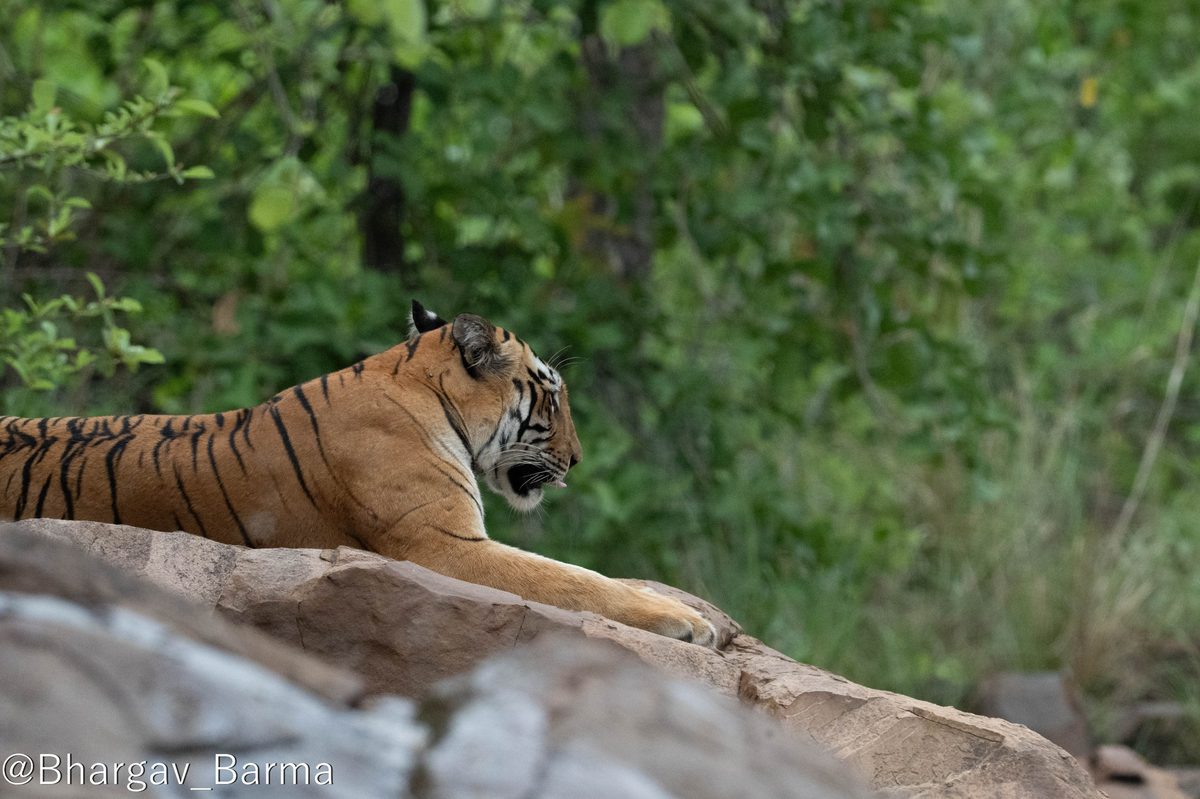
Tadoba
Central India's tiger capital — and our home ground. Simple gate-side lodges through to the boutique eco-lodges, and we'll tell you honestly which is worth the difference.
We don't resell every park in India. We run the forests our own team works daily — Tadoba and Pench — gate by gate.
Tadoba and Pench are ours — permits, gates, drivers, resorts, and an opinion about which gate suits your dates. India's other great reserves and our two African destinations we arrange through partners we've worked with, and we say which is which rather than letting you assume.
How to read these numbers. Indian rates are per room per night, covering your room, breakfast and dinner — permits, jeep and guide are charged separately at forest-department rates, so a realistic all-in for two people on a three-night, four-drive trip lands well above the nightly figure. The range is wide because Indian safari lodging genuinely spans simple gate-side rooms to boutique eco-lodges with pools and naturalists; the lower end isn't a catch, it's what a good village-side lodge actually costs here. African rates work differently — quoted per person per night, usually full-board and including twice-daily game drives, with park and conservancy fees on top (often USD 100–200 per person per day). All figures are indicative starting points for planning; we confirm real, current rates against live availability before you commit to anything.
Indicative only — African rates are quoted in USD per person and are not converted. We invoice Indian stays in Rupees; your bank sets the final rate.
We hold the permits, know the gates by name and have the resort relationships. This is where we do our best work, and where we'll argue with you about which gate to take.

Central India's tiger capital — and our home ground. Simple gate-side lodges through to the boutique eco-lodges, and we'll tell you honestly which is worth the difference.

Mowgli's forest. Turia opens onto the Baginnalla waterhole — an easy single-night stop between reserves.
India's other great reserves, plus Africa. We arrange these through operators and lodges we've worked with rather than claiming local knowledge we don't have — and we'll tell you exactly who is handling you on the ground.

The highest tiger density in central India, with the fort and Chakradhara meadows behind more documentaries than any other zone.
The sal and meadow landscape that inspired the Jungle Book, and the last refuge of the barasingha.

Fort ruins and tigers in the same frame — Zone 3's lakes give reflections no other Indian park offers.
India's oldest national park. Bijrani is far easier to book than Dhikala, with sal forest that turns gold by November.

A World Heritage site on the Bhutan border — tiger, rhino, pygmy hog and golden langur in one reserve. Remote, thinly visited, and unlike anywhere else on this list.
The Great Migration river crossings, July to October. Direct Mumbai–Nairobi flights make it roughly a six-hour hop.
The most affordable of the great African parks — self-drive friendly, with more rhino than any other protected area on earth.
Same reserve, different gate: different terrain, different cats, different odds. On Tadoba we'll tell you things a booking portal won't — including when the buffer beats the core. Everywhere else, we'll tell you what we know and what we don't.
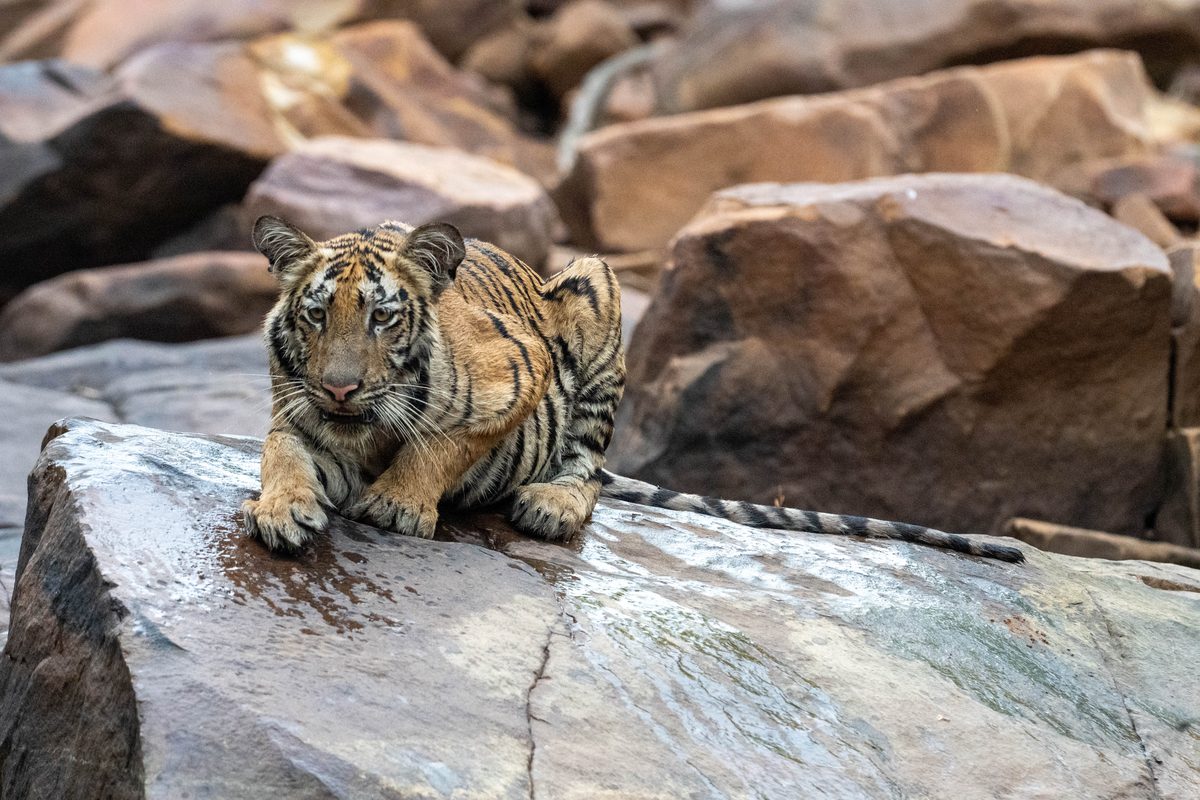
The most common thing we correct: that Moharli core is automatically the best chance of a sighting. In our experience it isn't — and most of the photographs on this site were taken in the buffer, not the core.
Junona, Agarzari, Devada, Adegaon and Mamla on the Moharli side; Keslaghat, Zari Peth, Somnath and Pangadi Aswal Chuha to the south. Fewer vehicles, easier permits, lower cost — the opposite of what most booking sites imply.
Two resident males who tolerate each other rather than fighting, several breeding females, cubs on the ground — and a fraction of the traffic. If you want cats rather than crowds, this is where we send you.
Moharli has the history, the lakes and the best resort infrastructure; Kolara is quieter and faster from Nagpur. Both are excellent — just not automatically better odds than a well-chosen buffer gate on the day.
Pench's most productive gate, opening onto the Baginnalla waterhole — currently tigress Patdev's territory.
The fort, the 10th-century Vishnu statue, and the Chakradhara meadows — the most filmed ground in India.
The lake-and-fort frames that made Ranthambore famous, with reflections you won't get elsewhere in India.
Far easier to secure than Dhikala, with strong tiger and leopard movement through golden sal forest.
Central access to the rhino grasslands, with Bagori next door for the widest landscape frames.
The quieter western sector of the Mara, and the crossing points most associated with the migration.
Tadoba and Pench are where we hold our own permits, drivers and resort relationships — so we can tell you which gate to take, get you in, and stand behind the answer.
Our first pick is whichever good gate is actually open for your dates. Permits are released by the forest department on a fixed schedule and go quickly, so naming a favourite in advance would be a promise we can't keep. Tell us when you're coming and we'll check what's genuinely available, then recommend from what's left — and say so plainly if a week is thin. Every gate below is one we book and would happily put you on.
One of the highest-visibility tiger stretches on the Chandrapur side, and still one of the quietest. Resident males Mama and Jr. Mogli both use this ground, along with several breeding females.
Ask about Keslaghat →Same stretch, same cats, far fewer vehicles than anything on the Moharli side. When permits are open here, it is usually the first gate we suggest for guests who want cats rather than crowds.
Ask about Zari Peth →The southern end of the Keslaghat–Zari Peth stretch. Quiet ground, and one of the routes our own photographers work most often.
Ask about Somnath →The least-booked gate on this side. Worth asking about when weekends elsewhere are full.
Ask about Pangadi →Part buffer, part core in character. Reliable movement and strong birding — and one of the gates our own photographs most often come from.
Ask about Junona →Roughly 20 km from Chandrapur town and interconnected with several ranges, so animals move through rather than sitting still. Easy to reach for an early start.
Ask about Agarzari →Usually paired with Adegaon and covering much the same ground. Quiet, good for unhurried photography.
Ask about Devada →Daily morning and evening safaris. Devada–Adegaon together is one of the better birding stretches in the whole reserve.
Ask about Adegaon →The least-talked-about Moharli-side buffer gate, which is usually a point in its favour on a busy weekend.
Ask about Mamla →The history, the lakes and the best resort infrastructure. Excellent — but books out months ahead, and not automatically better odds than a well-chosen buffer gate on the day.
Ask about Moharli →Quieter than Moharli and faster to reach from Nagpur. Also books out well in advance.
Ask about Kolara →Pench's most productive gate, opening onto the Baginnalla waterhole — currently tigress Patdev's territory.
Ask about Turia →The alternative Pench entry, useful when Turia permits are gone. Ask us and we'll tell you honestly which of the two suits your dates.
Ask about Khawasa →Forest department rates change with the zone, the day of the week, and how far ahead you book — Tadoba opens permits 120 days in advance, and booking 120–60 days out costs considerably more than inside 60 days, with weekend rates higher again and tatkal higher still. We don't dress that up as one flat number: you pay the government rate as it stands on your dates, plus our ₹1,000. Ask us with your dates and we'll give you the real total before you commit to anything.
And you get the gate you booked. Some booking sites take payment and then place you in whichever zone is free, with no refund. We tell you which gate suits your dates, book that gate, and if we can't get it we say so before you pay.
If you're buying land or already own land near Tadoba, Chandrapur or the nearby tourism belt, KB Heritage & Infra can plan and build it — resort, farm villa, landscape, interiors and the complete hospitality project. Same family firm behind this site, 35+ years of civil works in this district.
Discuss Resort Planning See our resort design work →Plan your safari
Answered personally, usually the same day